
Skin and personal careMakeup and colour
Zinc oxide: the white mineral in diaper creams and sunscreen, of little harm on the skin
CAS 1314-13-2.Also known as zinc white and CI 77947.
Editorial draft Last reviewed 14 November 2026 About 750 words
CC INDEX
How it works30/100 Mild
Zinc oxide is not very poisonous if eaten, and its main harm, metal fume fever, comes from breathing fumes in welding and chemical industries. Everyday skin exposure from creams, sunscreens and cosmetics is very common. FDA has proposed it as safe and effective for sunscreens, so the score sits in the mild band.
An editorial summary of this article’s cited evidence. It isn’t medical advice or a personal risk estimate.
Age index
What is the age index?Which age groups are more affected by this chemical’s possible health issues, based on this article’s sources.
- Pregnancy Unborn babies Not well studied
- Infants 0 to 1 Lower concern
- Young children 1 to 5 Lower concern
- Children 6 to 12 Not well studied
- Teens 13 to 19 Not well studied
- Adults 20 to 64 Lower concern
- Older adults 65 and over Not well studied
- Most harm comes from breathing fumes at industrial sites; swallowing products is described as not very poisonous.

Illustration of sunscreen at the beach. Zinc oxide is a mineral sunscreen ingredient.
Credit: Chemical Century; AI-generated illustration
License: CC0 1.0
Illustration, not a photograph of a specific product. Resized and cropped for the web.
Zinc oxide is the thick white paste in diaper rash creams and many mineral sunscreens, and it also shows up in calamine lotion, skin ointments and some makeup. On the skin it is generally considered safe, and a toddler who sneaks a taste of the cream is unlikely to be seriously poisoned. The real hazard is industrial: breathing zinc oxide fumes during welding can cause fever, headache and chest pain, a condition called metal fume fever. A few people may also be allergic to it, so a new rash after using a product is worth noting.
Everyday exposure: where you meet it and how much
Zinc oxide is used in zinc oxide ointment, diaper rash and hemorrhoid medicines, skin lotions, calamine lotion, sunscreen and cosmetics, as well as paint, rubber goods and paper coatings. [1] Sunscreens may contain zinc oxide alongside other ingredients. [2]
Most everyday contact is through the skin. Swallowing happens mainly when young children get into creams or sunscreen; most of the harmful effects come from breathing zinc oxide fumes at industrial sites in the chemical and welding industries. [1,2]
Known and suspected harms
Evidence labels are editorial summaries, not individual risk predictions: established means recognized under the stated conditions; probable means a likely contribution with uncertainty; possible means limited evidence; disputed means assessors disagree. These labels do not describe how common an effect is.
- Established — metal fume fever: breathing zinc oxide fumes at work causes metal fume fever, with a metallic taste, fever, headache, chest pain and shortness of breath starting about 4 to 12 hours later; it may seriously injure the lungs, and long-term exposure to metal fumes can lead to serious lung disease. [1]
- Established — symptoms after swallowing a large amount: zinc oxide is not very poisonous if eaten and long-term recovery is very likely, but swallowing a lot can cause nausea, vomiting, diarrhea, stomach pain, mouth and throat irritation, fever and chills. [1] Sunscreens in general are considered nonpoisonous, with most symptoms caused by mild allergic reactions and skin or eye irritation. [2]
- Possible — allergic reactions: allergic reactions may occur in people who are sensitive to zinc oxide. [1]
Reducing avoidable exposure and harm
Keep creams and sunscreens closed and out of young children's reach. [1,2] If someone swallows a lot of zinc oxide, give water or milk right away unless they are vomiting or less alert, and call poison control or a health care provider; flush skin or eyes with plenty of water for at least 15 minutes. [1] Welders and other workers should use the ventilation and protection their workplace requires to avoid breathing metal fumes. [1]
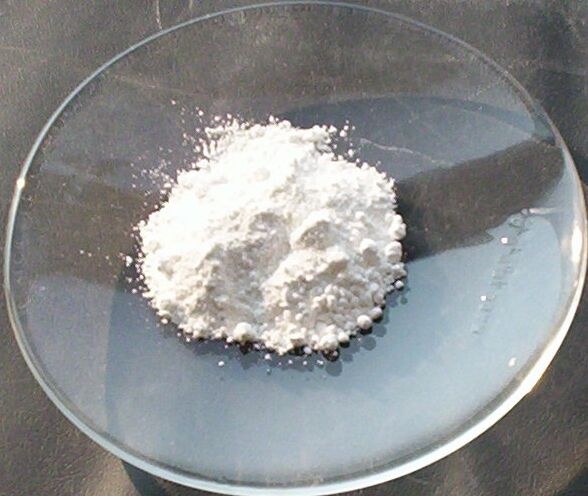
Zinc oxide powder.
Credit: Walkerma / Wikimedia Commons

License: Public domain
Resized for the web; no content edits
What it is
Zinc oxide (CAS 1314-13-2) is a white compound of zinc and oxygen, also used as a colourant (colour index 77947). [1,4,5]
What it does and why it is used
It is an active ingredient in sunscreens and in diaper rash, hemorrhoid and other skin medicines, and a white colourant in cosmetics. [1,3,4]
Regulatory status and health context
Canada
The sources used for this review do not cover zinc oxide's status in Canada, so we do not summarize it here.
United States
FDA's 2021 proposed order for over-the-counter sunscreens proposes that sunscreens containing zinc oxide and/or titanium dioxide, at concentrations up to 25%, are generally recognized as safe and effective, based on sufficient safety data. [3]
European Union
The EU cosmetics regulation lists zinc oxide (colour index 77947) among permitted colourants for cosmetic products. [4] Later amendments were not checked for this review.
Environmental notes
The sources used for this review do not assess zinc oxide's environmental effects, so we do not summarize them here.
Quick facts
- CAS: 1314-13-2. [5]
- Where: diaper rash creams, sunscreen, calamine lotion, skin ointments, cosmetics. [1]
- Main danger: metal fume fever from breathing fumes at work. [1]
- Most at risk: welders and chemical workers. [1]
Sources
All URLs were fetched on 2026-11-14, except the EU cosmetics regulation, which did not respond to this review's requests; it was read from a copy fetched for earlier Chemical Century articles in November 2026. The EU text is the regulation as originally published, and later amendments were not checked. Source publication dates differ from this draft's review date.