
Nutrients and supplementsFood and drink
Phosphorus: the bone mineral in meat, milk and processed foods
CAS 7723-14-0.Also known as dietary phosphorus and phosphate.
Editorial draft Last reviewed 15 November 2026 About 530 words
CC INDEX
How it works22/100 Mild
Phosphorus is essential and both deficiency and excess are rare, with high blood levels mainly in people with severe kidney disease. It is in most protein foods, so the score sits in the mild band.
An editorial summary of this article’s cited evidence. It isn’t medical advice or a personal risk estimate.
Age index
What is the age index?Which age groups are more affected by this chemical’s possible health issues, based on this article’s sources.
- Pregnancy Unborn babies Lower concern
- Infants 0 to 1 Lower concern
- Young children 1 to 5 Lower concern
- Children 6 to 12 Lower concern
- Teens 13 to 19 Lower concern
- Adults 20 to 64 Lower concern
- Older adults 65 and over Lower concern
- MedlinePlus lists daily intake recommendations that vary by age, with higher amounts for ages 9 to 18.

Illustration of foods that provide phosphorus.
Credit: Chemical Century; AI-generated illustration
License: CC0 1.0
Illustration, not a photograph of a specific product. Resized and cropped for the web.
Phosphorus is the second most abundant mineral in the body, found mostly in bones and teeth and needed by every cell. Meat, milk and processed foods containing sodium phosphate are the main sources. Deficiency is rare because phosphorus is so common in food. Very high blood levels are also rare and usually limited to people with severe kidney disease or calcium-regulation problems.
Everyday exposure: where you meet it and how much
The main food sources of phosphorus are meat and milk, as well as processed foods that contain sodium phosphate. [1] Whole-grain breads and cereals contain more phosphorus than refined ones, but in a form humans do not absorb, and fruits and vegetables contain only small amounts. [1]
Known and suspected harms
Evidence labels are editorial summaries, not individual risk predictions: established means recognized under the stated conditions; probable means a likely contribution with uncertainty; possible means limited evidence; disputed means assessors disagree. These labels do not describe how common an effect is.
- Established — high blood levels: excessively high blood phosphorus, although rare, can combine with calcium to form deposits in soft tissues such as muscle. [1]
- Established — who is affected: high blood phosphorus only occurs in people with severe kidney disease or severe dysfunction of calcium regulation. [1]
- Established — deficiency: phosphorus is so readily available in food that deficiency is rare. [1]
Reducing avoidable exposure and harm
A diet with the right amounts of calcium and protein will also provide enough phosphorus. [1] The recommended intake for adults is 700 mg/day. [1]
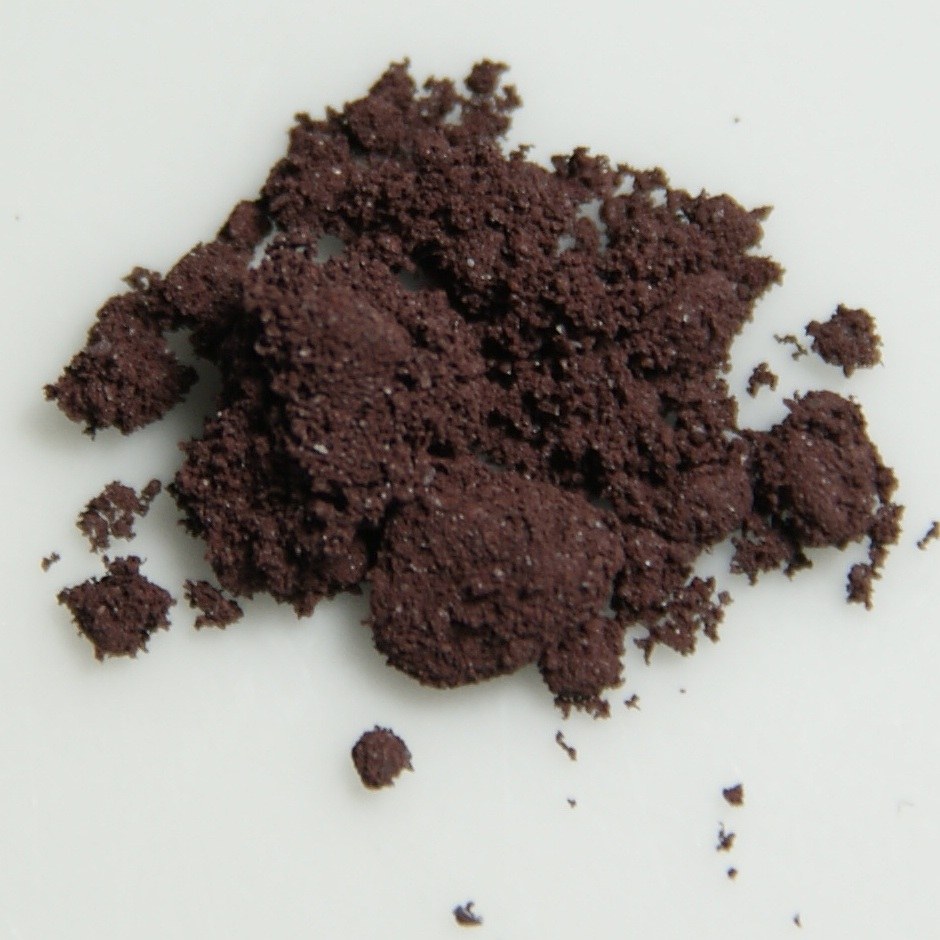
Red phosphorus, one form of the element. In food, phosphorus is present mainly as phosphates.
Credit: Hi-Res Images of Chemical Elements / Wikimedia Commons

License: CC BY 3.0
Resized for the web; no content edits
What it is
Phosphorus (CAS 7723-14-0 for the element) is a mineral that makes up about 1% of total body weight. [1,2]
What it does and why it is used
It forms bones and teeth, helps the body use carbohydrates and fats, make protein and ATP, and supports kidney function, muscle contraction, heartbeat and nerve signals. [1]
Regulatory status and health context
Canada
The sources used for this review do not summarize Canadian rules for phosphorus, so we do not describe them here.
United States
The sources used for this review do not summarize US rules for phosphorus, so we do not describe them here.
European Union
The EU law website was not fully available when this article was reviewed, so EU legal status was not checked and is not summarized here.
Environmental notes
The sources used for this review do not assess phosphorus's environmental effects, so we do not summarize them here.
Quick facts
- CAS: 7723-14-0 (element). [2]
- Where: meat, milk, processed foods with sodium phosphate. [1]
- Main concern: high levels in severe kidney disease. [1]
- Deficiency: rare. [1]
Sources
All URLs were fetched on 2026-11-15. The EU law website was not fully available that day, so EU legislation could not be checked for this review. Source publication dates differ from this draft's review date. The CAS number shown is for elemental phosphorus; dietary phosphorus is present in foods mainly as phosphates.