
Household materialsWater, air and residues
Naphthalene: the mothball chemical that can damage red blood cells
CAS 91-20-3.Also known as mothballs, moth flakes, and camphor tar.
Editorial draft Last reviewed 14 November 2026 About 824 words
CC INDEX
How it works54/100 Moderate
Naphthalene from mothballs can cause hemolytic anemia, with well-documented cases in children and in babies exposed before birth, and animal studies suggest it may cause cancer. Many homes no longer use mothballs, so exposure scores modestly. It is a registered pesticide and is prohibited in Canadian cosmetics, so the score sits in the moderate band.
An editorial summary of this article’s cited evidence. It isn’t medical advice or a personal risk estimate.
Age index
What is the age index?Which age groups are more affected by this chemical’s possible health issues, based on this article’s sources.
- Pregnancy Unborn babies Higher concern
- Infants 0 to 1 Higher concern
- Young children 1 to 5 Higher concern
- Children 6 to 12 Moderate
- Teens 13 to 19 Moderate
- Adults 20 to 64 Moderate
- Older adults 65 and over Moderate
- Pregnancy (higher concern): Babies born with hemolytic anemia after exposure in pregnancy
- Infants (higher concern): Anemia from unwashed clothes and blankets stored in mothballs
- Young children (higher concern): Mothballs can look like candy
- People with an inherited enzyme deficiency are at much greater risk of anemia; NPIC found no data showing children are more sensitive, but small children are most likely to swallow mothballs.

Illustration of mothballs in a sealed container on a closet shelf. Some mothballs contain naphthalene.
Credit: Chemical Century; AI-generated illustration
License: CC0 1.0
Illustration, not a photograph of a specific product. Resized and cropped for the web.
That sharp, old-closet smell of mothballs is often naphthalene vapour, the same chemical released by cigarette smoke and car exhaust. Breathing the fumes can bring on headaches, nausea and dizziness, and swallowing a mothball, or breathing a lot of vapour, can break down red blood cells. Small children are at greatest risk of eating mothballs because they can look like candy, and babies have become anemic from clothes stored in mothballs that were not washed. Animal studies suggest it may also cause cancer, so keeping mothballs sealed away, or skipping them, is a sensible choice.
Everyday exposure: where you meet it and how much
Naphthalene is made from crude oil or coal tar and is also produced when things burn, so it is in cigarette smoke, car exhaust and forest fire smoke. [1] It is used as an insecticide and pest repellent: mothballs and similar products are solids that turn into a toxic gas, and over a dozen naphthalene products are registered with the US EPA. [1] MedlinePlus also lists toilet bowl deodorizers and some paints, glues and automotive fuel treatments. [2]
People are most likely to be exposed by breathing the vapours; when you smell mothballs, you are inhaling the pesticide. [1] Small children and pets are at risk of eating mothballs, because they look like candy or treats. [1]
Known and suspected harms
Evidence labels are editorial summaries, not individual risk predictions: established means recognized under the stated conditions; probable means a likely contribution with uncertainty; possible means limited evidence; disputed means assessors disagree. These labels do not describe how common an effect is.
- Established — symptoms from vapours: people have developed headaches, nausea, dizziness and vomiting after breathing naphthalene vapours. [1]
- Established — hemolytic anemia: breathing enough vapour or eating a mothball can cause hemolytic anemia, in which red blood cells break apart and no longer carry oxygen well. [1] Small children who ate mothballs have also had diarrhea, fever, abdominal pain and painful urination with discoloured urine, and clothing stored in mothballs without washing has caused anemia in infants who wore it. [1] People with an inherited enzyme deficiency are at much greater risk. [1]
- Established — exposure during pregnancy: women who ate mothballs or breathed the vapours while pregnant gave birth to babies with hemolytic anemia. [1]
- Established — serious poisoning: stomach symptoms may not start until 2 days after exposure, and later effects can include confusion, convulsions, coma and kidney problems; recovery from some effects can take several weeks or longer. [2]
- Possible — cancer: animal studies suggest naphthalene can cause cancer; the International Agency for Research on Cancer considers it possibly carcinogenic to humans, and EPA classifies it as a possible human carcinogen. [1]
Reducing avoidable exposure and harm
Follow label instructions and take steps to minimize exposure. [1] If you use mothballs, keep them in sealed containers out of reach of children and pets, and wash clothes, blankets and diapers stored with mothballs before use. [1] If a child swallows a mothball or someone feels sick from vapours, contact poison control or seek medical help. [1,2]
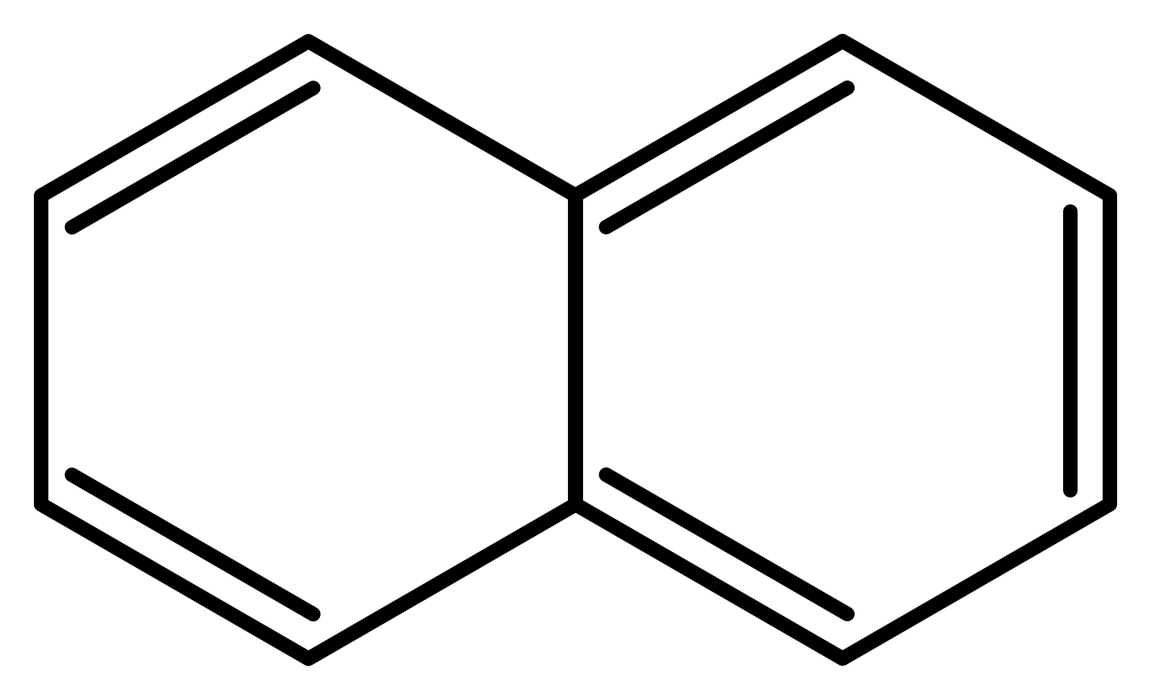
Skeletal structure of naphthalene.
Credit: Alberrosidus / Wikimedia Commons

License: Public domain
Rendered from SVG to PNG, whitespace trimmed and placed on white
What it is
Naphthalene (CAS 91-20-3) is a solid that turns into a gas at room temperature. [1,4] In the body it is broken down to alpha-naphthol, which is linked to hemolytic anemia. [1]
What it does and why it is used
It kills insects such as pantry moths and its odour may repel animals; it was first registered as a pesticide in the United States in 1948. [1]
Regulatory status and health context
Canada
Health Canada's Cosmetic Ingredient Hotlist lists naphthalene as prohibited in cosmetics. [3]
United States
Naphthalene is registered as a pesticide with the US EPA, which classifies it as a possible human carcinogen based on animal studies. [1]
European Union
The sources used for this review do not cover naphthalene's status in the European Union, so we do not summarize it here.
Environmental notes
Most naphthalene in the environment turns into a gas; some binds to soil, where plants can take it up, and it is broken down by bacteria, fungi, air and sunlight. [1] It has been found in wastewater treatment plant discharge. [1]
Quick facts
- CAS: 91-20-3. [4]
- Where: mothballs, toilet bowl deodorizers, tobacco smoke, car exhaust. [1,2]
- Main danger: hemolytic anemia from swallowing mothballs or breathing heavy vapour. [1]
- Most at risk: small children, babies (including before birth), people with an inherited enzyme deficiency. [1]
Sources
All URLs were fetched on 2026-11-14, except the Health Canada Hotlist, which did not respond to this review's requests; it was read from a copy fetched for earlier Chemical Century articles on 2026-11-08. Source publication dates differ from this draft's review date.